
Heating System Maintenance in Madison, MS
Madison's heating season is short, and that's exactly why the annual check gets skipped — a furnace that only runs hard a few weeks a year feels like it can look after itself. It can't. The two things that go wrong with heat are the ones you can't see: a combustion problem that quietly makes carbon monoxide, and an airflow problem that's been dragging on the system since summer. Rooted Heating & Air services Madison heating the measured way — a real combustion analysis on gas equipment, a proper defrost-and-refrigerant check on heat pumps, and the airflow read that ties the whole year together — so the first cold morning finds a system that's safe and ready, not one that's about to remind you it exists.
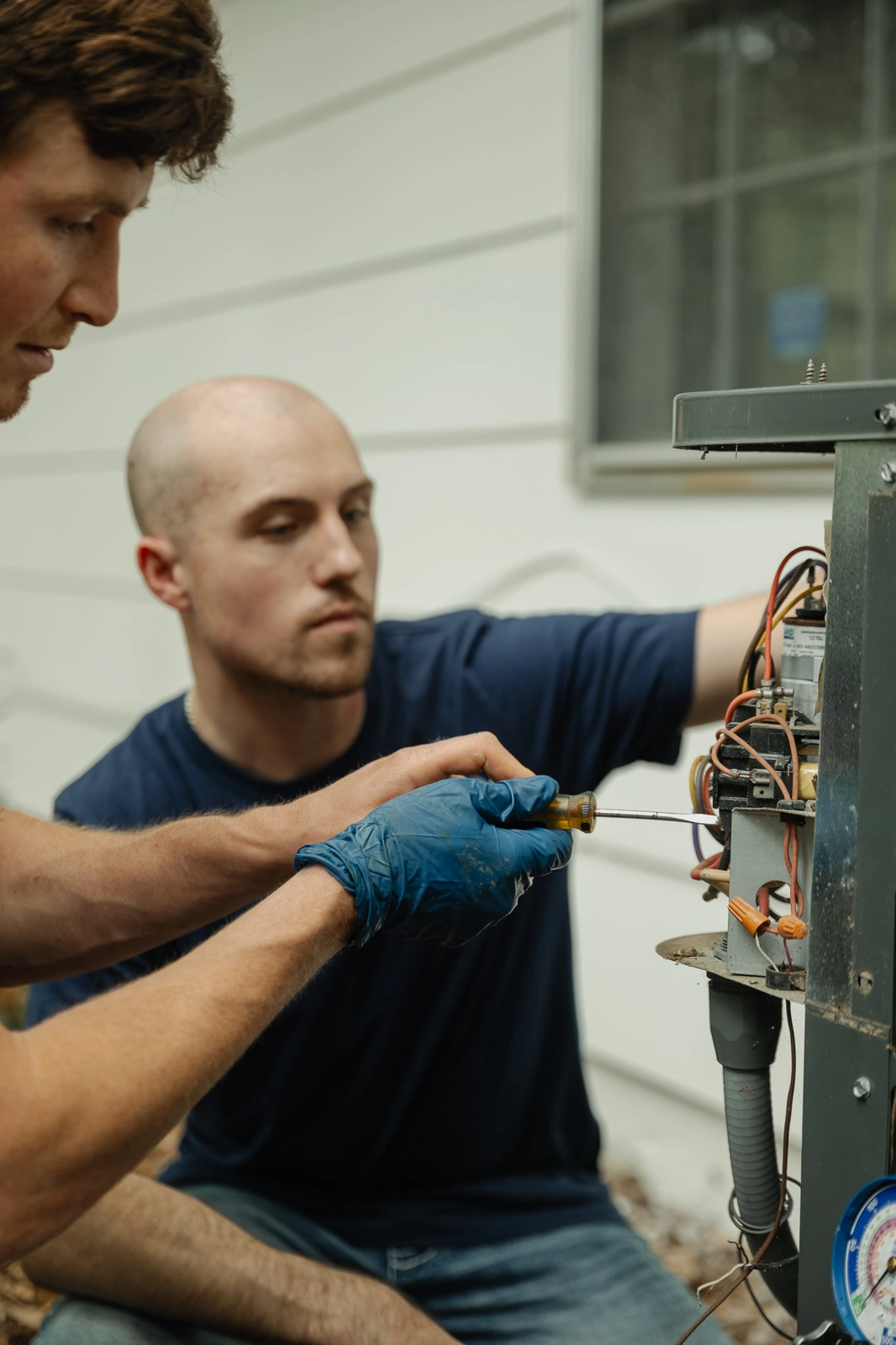
- Combustion analysis on gas furnaces — draft, gas input, and a heat-exchanger check for carbon-monoxide safety
- Heat-pump defrost, reversing valve, and refrigerant-charge checks so winter mode actually works
- Dual-fuel systems tuned so the gas and heat-pump handoff happens at the right temperature
- The same airflow and static-pressure read that keeps the system honest year-round, not just in winter
Request Service Quote!
How can we help you?
Mission-Driven Service From People Who Actually Care!
your trusted local HVAC experts
Delivering high-value Heating System Maintenance to Madison, MS homeowners
Fast Response Times
Same-day service to quickly meet your Heating System Maintenance needs
certified & experienced
NCI-certified diagnostics and years of hands-on experience
honest pricing
Transparent, upfront pricing with no hidden costs.
family-owned & operated
Biblically-based business with a focus on integrity and care.
A Short Season Hides Real Risk
Why Madison Skips Heating Maintenance — and Pays for It
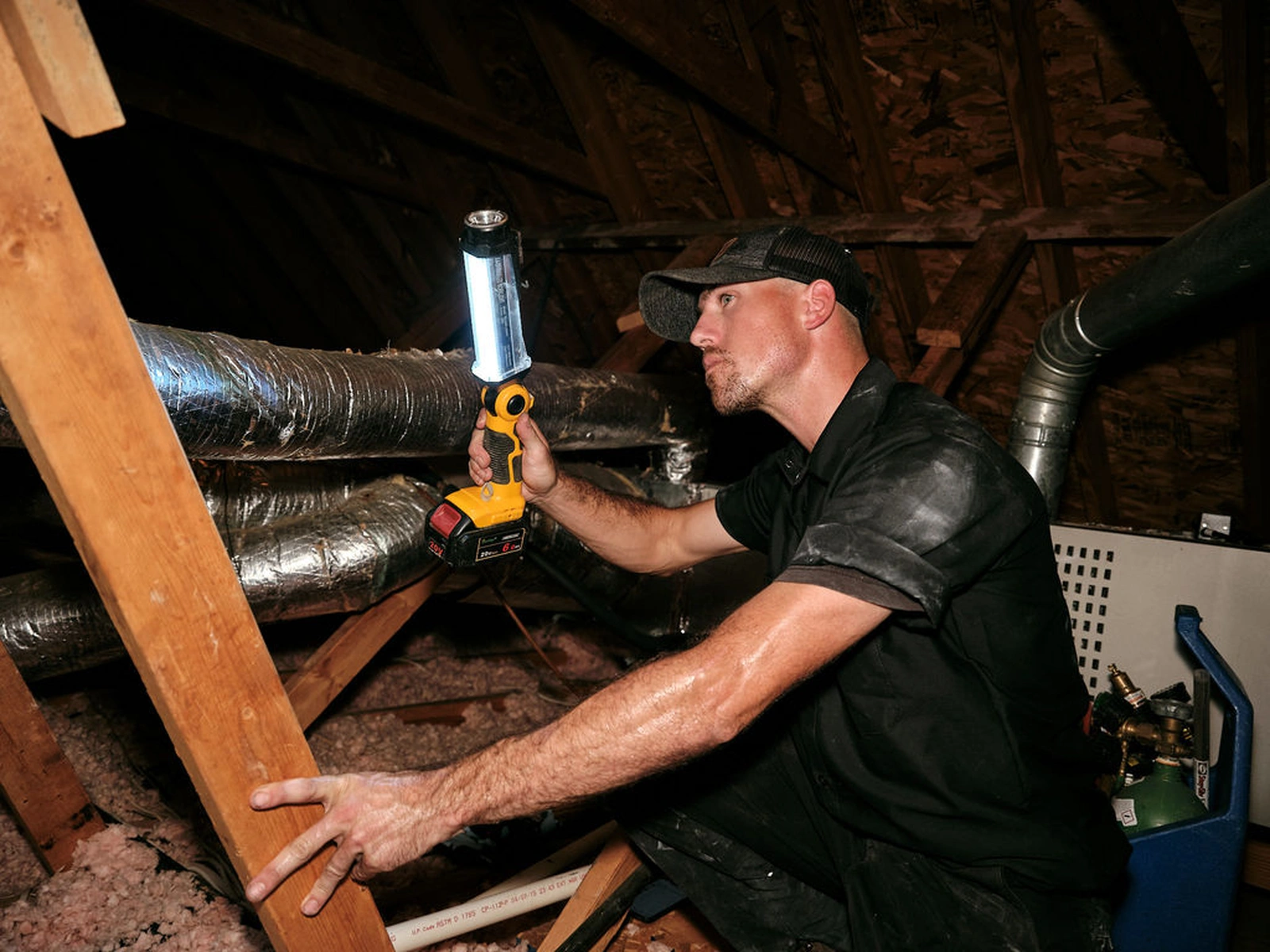
Because Madison winters are mild and brief, heating equipment sits idle for most of the year and then gets asked to perform on the first genuinely cold morning without a moment's warm-up. That long dormancy is where trouble hides. Dust and debris settle in burners and blowers, a heat exchanger that developed a hairline crack keeps it to itself, and a heat pump's reversing valve or defrost control that hasn't moved in months can stick. None of it announces itself; the system simply fails — or worse, runs unsafely — the day you finally need it.
The safety piece is the one that matters most and gets the least attention. A gas furnace burns fuel inside your home, and a cracked heat exchanger or a poor draft can put carbon monoxide into the air you breathe — an odorless, invisible hazard that NFPA 54, the national fuel gas code, exists specifically to guard against. A visual glance doesn't catch a marginal combustion problem. A combustion analyzer does: it reads draft, gas input, and flue gases and tells us whether the furnace is burning cleanly and venting properly, or quietly drifting toward a problem you'd never see coming.
Then there's the airflow that connects heating to everything else. Madison homes run their systems hard for cooling all summer, and the filter, coil, and duct restrictions that build up in that season don't disappear when the weather turns — they carry straight into heating, making the furnace or heat pump work harder and heat unevenly. Maintenance that only looks at the burner and ignores the air side misses half the picture. The static pressure and airflow read is what keeps the whole system honest, in January as much as July.
The Risk You Can't See or Smell
What a Skipped Heating Check Costs a Madison Home
- The furnace fires on the first cold morning with a burner full of a year's dust, runs rough, and trips out — right when the forecast finally dropped.
- A hairline crack in the heat exchanger goes undetected without a combustion check, quietly risking carbon monoxide in the air your family breathes.
- Your heat pump's defrost or reversing valve stuck over the idle months, so it blows lukewarm air and leans on backup heat the coldest days.
- The dual-fuel system never got tuned, so it either burns gas too early or leans on the heat pump too long — and the bill lands wrong either way.
- Summer's airflow restrictions rode straight into winter, so the furnace works harder than it should and the upstairs still runs cold.
A Heating Check That Covers Safety, Efficiency, and Airflow
Combustion, Controls, and the Air Side
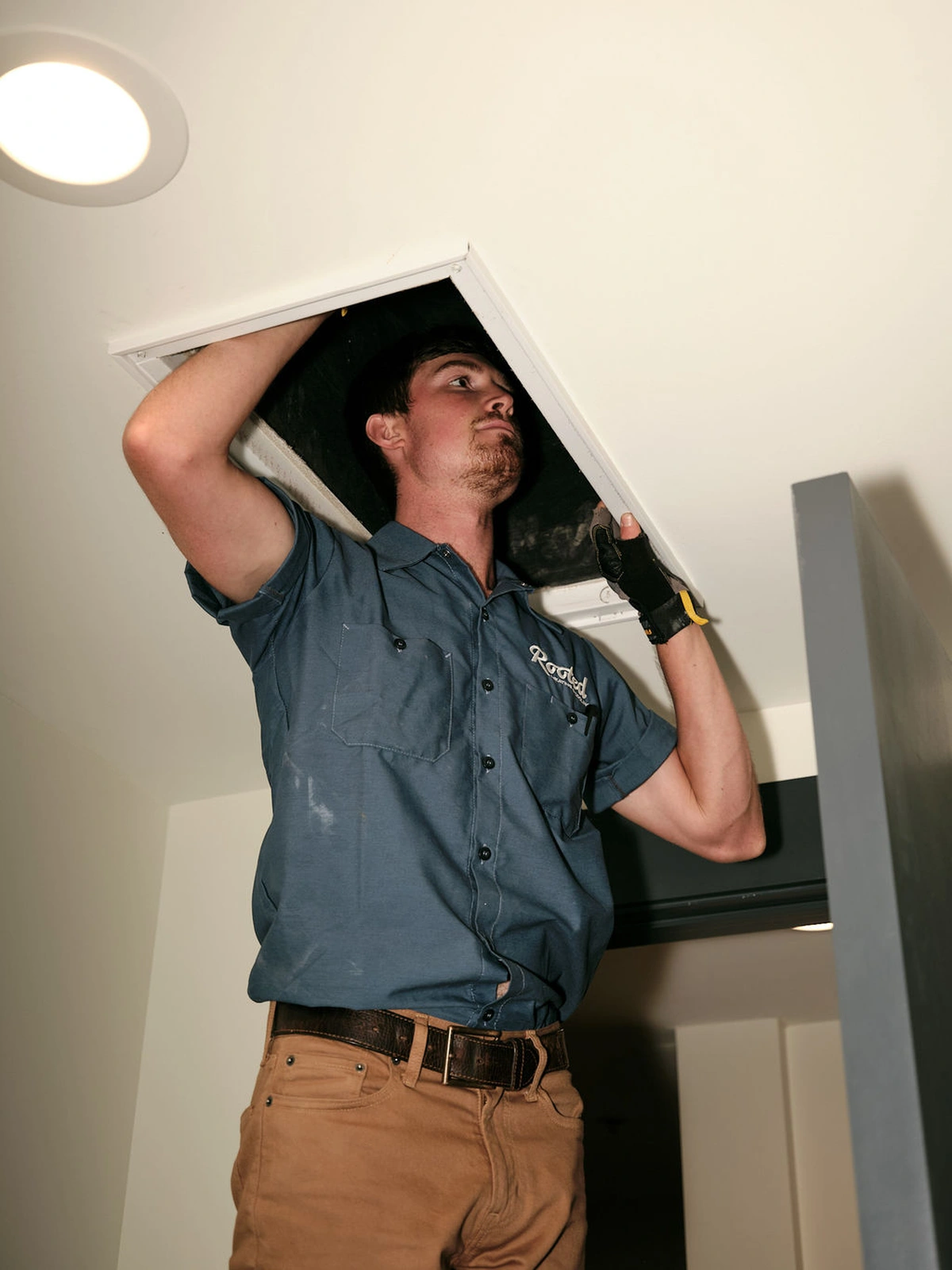
Our heating maintenance is built around the failures that actually matter here. On gas equipment we run a combustion analysis — reading draft, gas input, and flue gases and inspecting the heat exchanger — so we can tell you the furnace is burning cleanly and venting safely, not just that it lights. On heat pumps we exercise the defrost cycle and reversing valve, check the refrigerant charge for heating mode, and confirm auxiliary heat only comes on when it should. On dual-fuel systems we verify the handoff point so gas and heat pump trade duty at the right temperature.
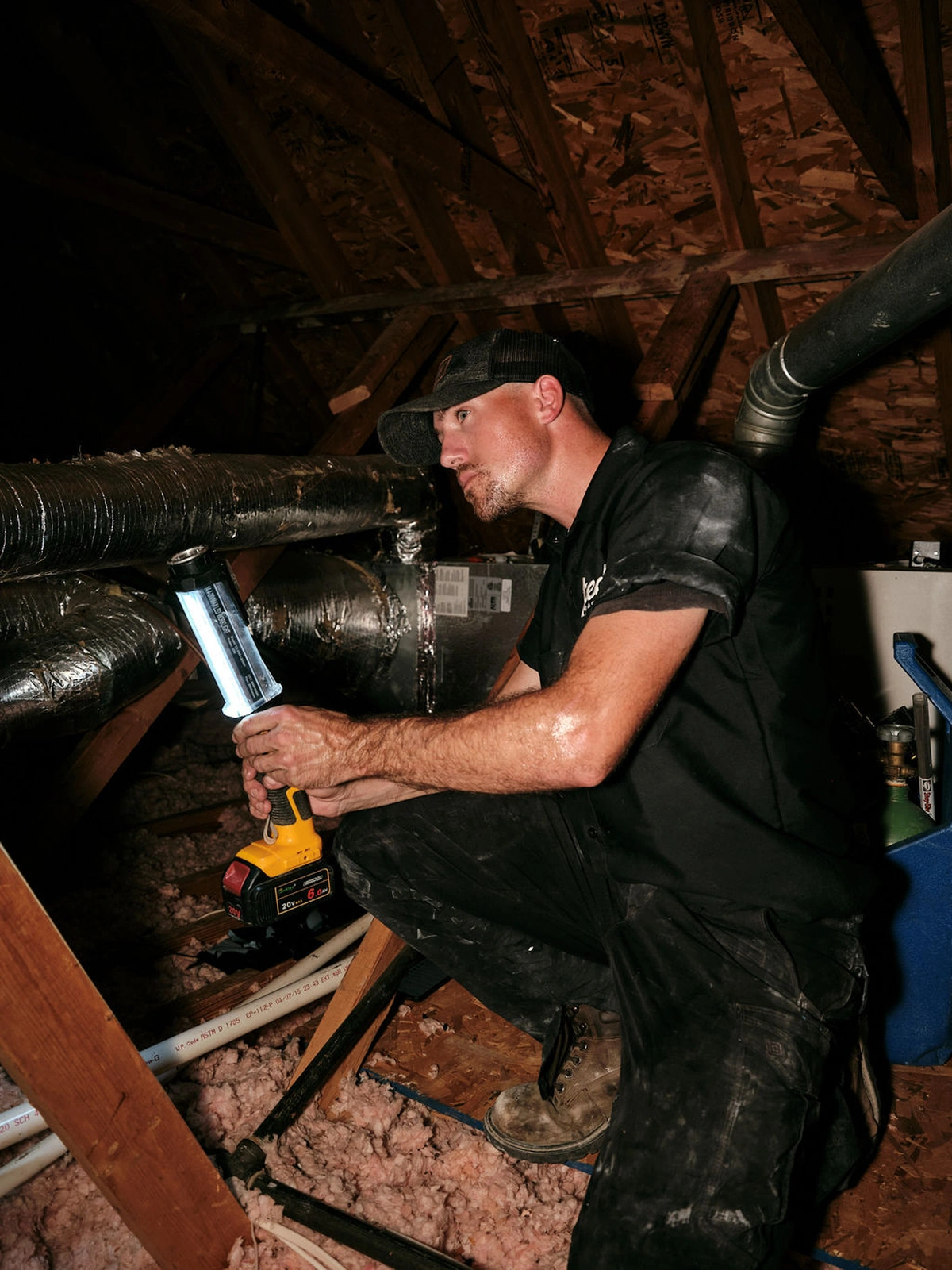
And we read the air side, because heating and cooling share the same ducts, blower, and filter. We measure static pressure and airflow, check what summer left behind, and flag any restriction that's making the system work harder than it needs to. You get the combustion numbers, the safety findings, and the airflow readings documented in plain language — with an honest sort of what needs attention before winter and what's fine as-is. It's the same measured habit our Madison neighbors trust across every service: check it properly, prove it with numbers, and only recommend what the readings justify.
How We Service Madison Heating
Every Madison heating check follows the same measured path — a combustion and safety inspection on gas equipment, a full controls-and-charge check on heat pumps, and the airflow read that ties the year together. You'll get the numbers and an honest verdict on what's ready for winter before we call it done.
Easy Scheduling
Book your Heating System Maintenance consultation online or call us
Professional Arrival
Clean, professional technicians arrive on time with proper equipment
Thorough Assessment
Complete assessment with transparent explanation of findings
Expert Execution
Expert Heating System Maintenance execution with attention to detail
Quality Verification
Final quality check and system performance verification
Frequently Asked Questions
Madison winters are so mild — do I really need annual heating maintenance?
What does a real heating safety check involve?
I have a dual-fuel system — what does maintenance do for it?
What does airflow have to do with my heating maintenance?
The Team That Proves the System Is Safe
Family-Owned, Measured, and Rooted in Madison
Rooted Heating & Air is a family-owned team, and on heating, safety isn't a line item to us — it's the whole reason to show up before winter. We'd rather run the combustion analysis, check the heat exchanger, and confirm the system is venting cleanly than sign a sticker and move on. When something needs attention, we show you the reading behind it; when the system is fine, we tell you that too, plainly.
You get the combustion numbers, the safety findings, and the airflow readings in language that makes sense, with honest guidance on what's worth doing before the cold sets in. It's the same measured approach our Madison neighbors trust across install, repair, and cooling — the check that proves the system is ready, backed by people who let you see the proof.

Serving Madison, MS families
Integrity
We do what we say we are going to
Done right, 1st time
Job done right or we'll make it right
High quality work
No shortcuts , just proper fixes
Reasonable Prices
Upfront, honest pricing = win/win
What Heating Maintenance Looks Like Across Madison
Madison's short heating season shapes how its equipment ages, and not in the system's favor. The metro is in climate zone 3A with a winter design temperature around 22°F, so furnaces and heat pumps run hard only briefly and sit idle the rest of the year. That long dormancy is precisely what lets burner debris, a sticking heat-pump defrost, or a marginal heat exchanger go unnoticed until the first cold morning. A pre-winter check is the moment to surface those, while it's a scheduled visit and not a house full of people waiting on heat.
The mix of equipment across Madison means a real check has to cover two very different failure modes. Gas furnaces — common in older homes near the town center and in many established subdivisions — carry a combustion and carbon-monoxide risk that only a combustion analyzer and a heat-exchanger inspection can rule out, the hazard NFPA 54 exists to prevent. Heat pumps and dual-fuel systems, common in the newer stock, need their defrost, reversing valve, refrigerant charge, and changeover point verified instead. We match the check to the equipment rather than running the same shallow once-over on both.
A common Madison heating call: an older home in the Historic Madison area with a gas furnace that's run reliably for years, and an owner who's understandably never thought hard about combustion safety. We run the analysis, inspect the heat exchanger, confirm the draft and gas input are right, and read the airflow the summer left behind. Usually the news is good and documented — the furnace is burning clean and safe for another season. When it isn't, we've caught a venting or heat-exchanger problem before it became the kind of thing you can't see or smell coming.
Historic Madison
Older homes near the town center where established gas furnaces are common. The priority here is a real combustion analysis and heat-exchanger inspection — carbon-monoxide safety — not just confirming the burner lights.
Bridgewater
Established upscale subdivision with equipment aging into its second decade, where a pre-winter check catches worn components and airflow restrictions before the first cold morning finds them first.
Annandale
Large golf-course estates with heat-pump and dual-fuel systems, where maintenance means verifying defrost, refrigerant charge, and the gas-to-heat-pump changeover point across a big, zoned footprint.
Ready for Reliable Comfort? We're Just a Call Away!
Don't let comfort problems linger - your home deserves better, and so do you!