
Heating System Maintenance in Pearl, MS
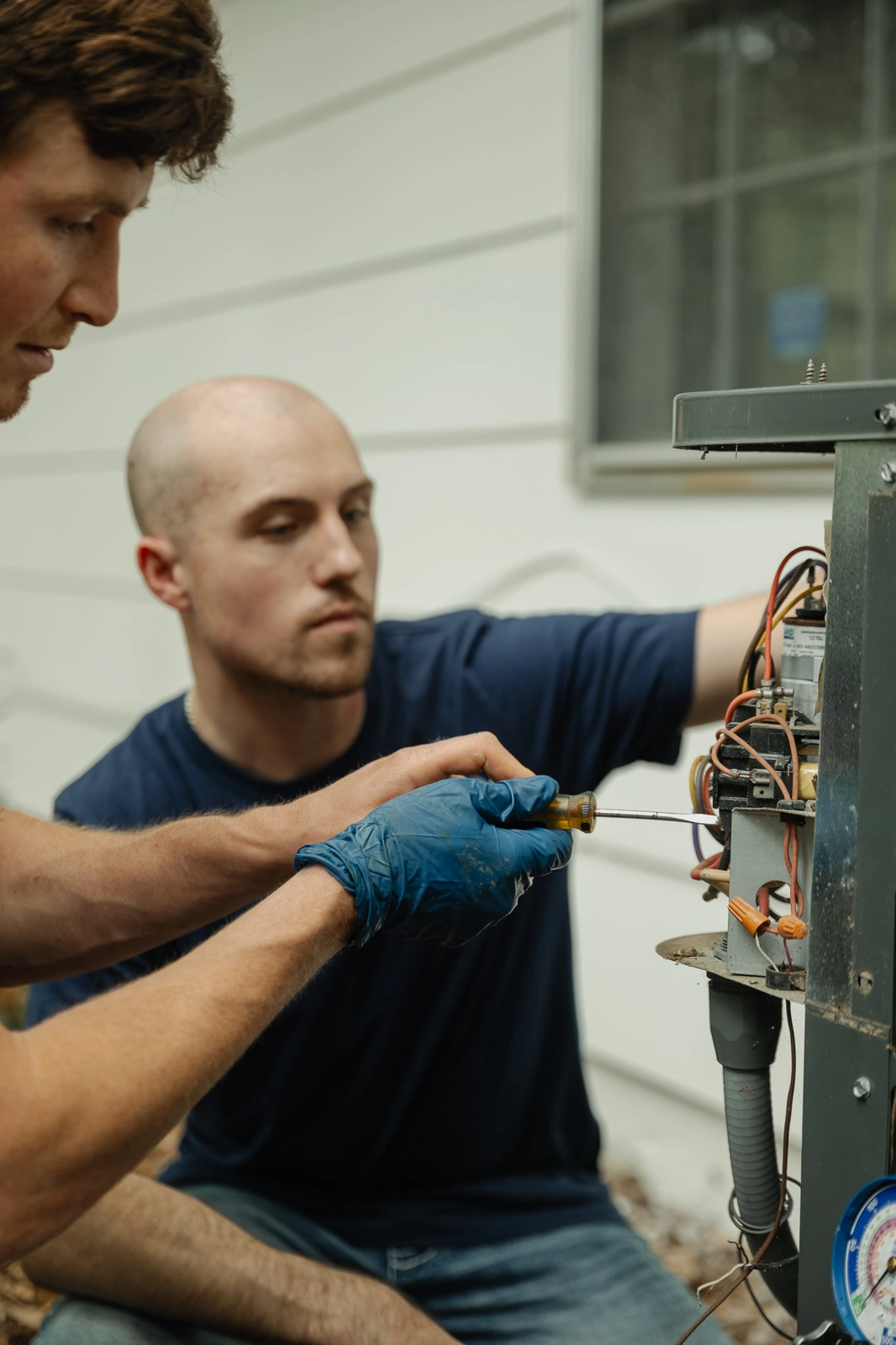
The gas furnaces tucked into Pearl's older ranches deserve an instrument more than any equipment in town — and get one the least. Along Old Brandon Road and across the post-war and '60s–'70s subdivisions, plenty of these units have burned faithfully for decades, so an owner who's never had a scare sees no reason to look harder. Yet the two things that genuinely fail on a Pearl heating system both stay out of sight: a heat exchanger easing toward carbon monoxide, and an airflow restriction that's been quietly building since the cooling season ended. In an occupied Highway 80 storefront, everyone who walks in shares that combustion risk. Rooted Heating & Air checks Pearl heating with meters instead of a flashlight — a real combustion analysis on gas, a full defrost-and-charge workup on heat pumps, and the airflow read that ties the year together — so the first cold morning meets a system already proven safe.
- A combustion analyzer on every gas furnace — flue temperature, draft, and exchanger integrity for CO safety
- On heat pumps: the defrost cycle, reversing valve, and heating-mode charge confirmed before the cold leans on them
- The dual-fuel switchover checked, so gas and heat pump trade duty at the temperature they should
- A static-pressure and airflow read, because a long, heavy Pearl summer leaves restrictions that carry into winter
Request Service Quote!
How can we help you?
Mission-Driven Service From People Who Actually Care!
your trusted local HVAC experts
Delivering high-value Heating System Maintenance to Pearl, MS homes and light commercial
Fast Response Times
Same-day service to quickly meet your Heating System Maintenance needs
certified & experienced
NCI-certified diagnostics and years of hands-on experience
honest pricing
Transparent, upfront pricing with no hidden costs.
family-owned & operated
Biblically-based business with a focus on integrity and care.
Neither One Shows on the Surface
The Two Failures a Pearl Heating Check Is Built to Catch
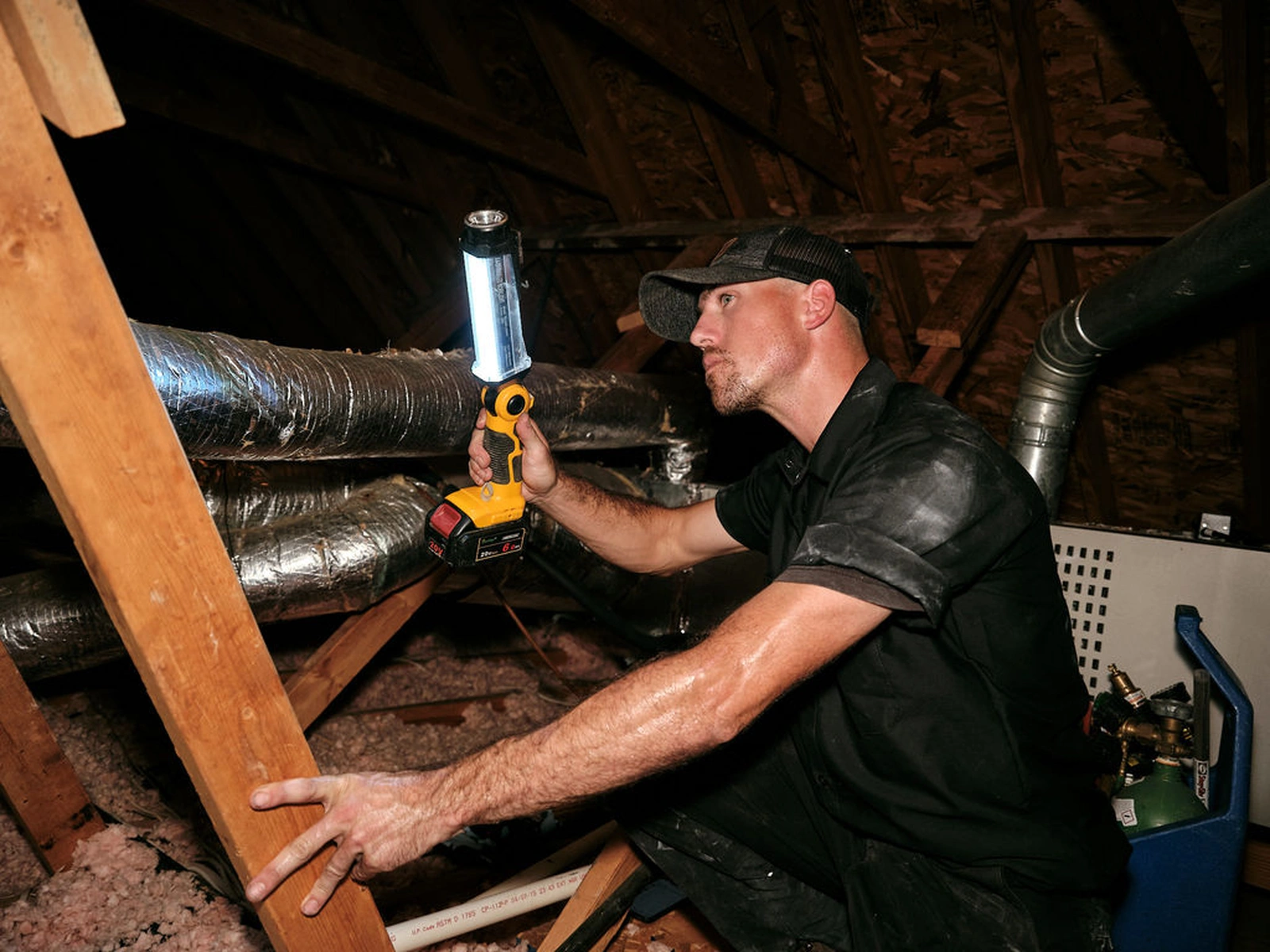
Consider first the machine you're about to depend on: it spent all summer cooling a river-bottom house through Pearl's long, humid season, and it didn't shed that wear when the weather flipped. The filters that loaded up, the coils that fouled, the duct restrictions that crept in — none of it clears on its own. It all rides straight into heating, where a furnace or heat pump now has to force air through the same choked path, laboring harder and warming the far rooms unevenly. A check that studies the burner and never gauges the ducts has examined half the system, which is why static pressure and airflow belong in a heating visit as much as in a summer tune-up.
The heavier concern is the one homeowners weigh least. On Pearl's older housing — the post-war and '60s–'70s ranches strung along Old Brandon Road — gas furnaces have run for decades, and a decades-old heat exchanger is exactly where a hairline crack lets combustion byproducts loose. Carbon monoxide carries no color, no scent, and no warning, and it's the precise danger the national fuel-gas standard was written to prevent. No amount of looking at a furnace clears it of that; it takes an analyzer sampling flue temperature, draft, and combustion products to say whether the unit burns clean or drifts toward trouble nobody in the house could detect. Put that furnace in an occupied Highway 80 suite and the exposure spreads to every employee and customer sharing the air.
The mild climate compounds both problems by keeping the equipment idle. A Pearl furnace does little for most of the calendar and then gets thrown to full duty on the first genuinely cold morning, with no easing-in — and dormancy is what breeds the failures. Grit settles into burners and blower wheels, a reversing valve or defrost board that hasn't moved since spring can seize on its first call, and the crack that opened over a summer of stillness keeps its own counsel. A pre-winter visit is the chance to surface all of it while it's still an appointment and not a 6 a.m. crisis.
The Hazard With No Warning
What Skipping the Heating Check Costs a Pearl Home or Business
- The first cold morning arrives, the furnace lights on a season of settled grit, runs rough, and trips its own lockout — right when the temperature finally dropped and the house needs it most.
- A hairline crack in an old ranch exchanger goes uncaught because no one ran a combustion test, quietly risking carbon monoxide in the air a family — or a suite full of staff and customers — breathes.
- The heat pump's defrost or reversing valve locked up over the idle months, so it moves lukewarm air and hands the coldest days to expensive backup heat.
- The dual-fuel handoff was never set, so the system fires gas too early or rides the heat pump too long, and the January bill lands wrong either way.
- Every restriction the summer packed into the ducts crossed into winter untouched, so the furnace strains beyond need and the rooms at the far end never really warm.
Meters on the Burner, a Gauge on the Air
Safety Measured, Not Assumed
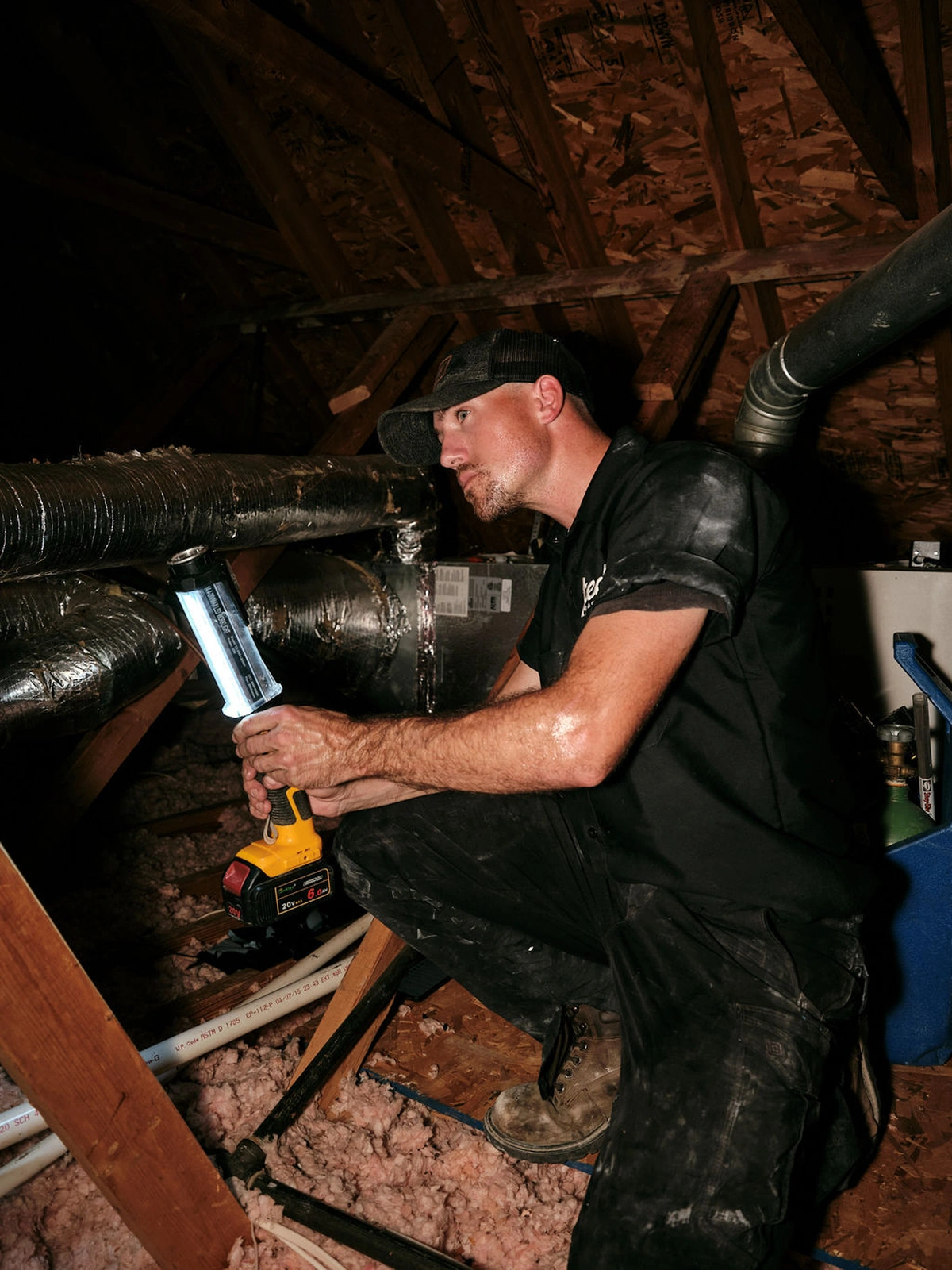
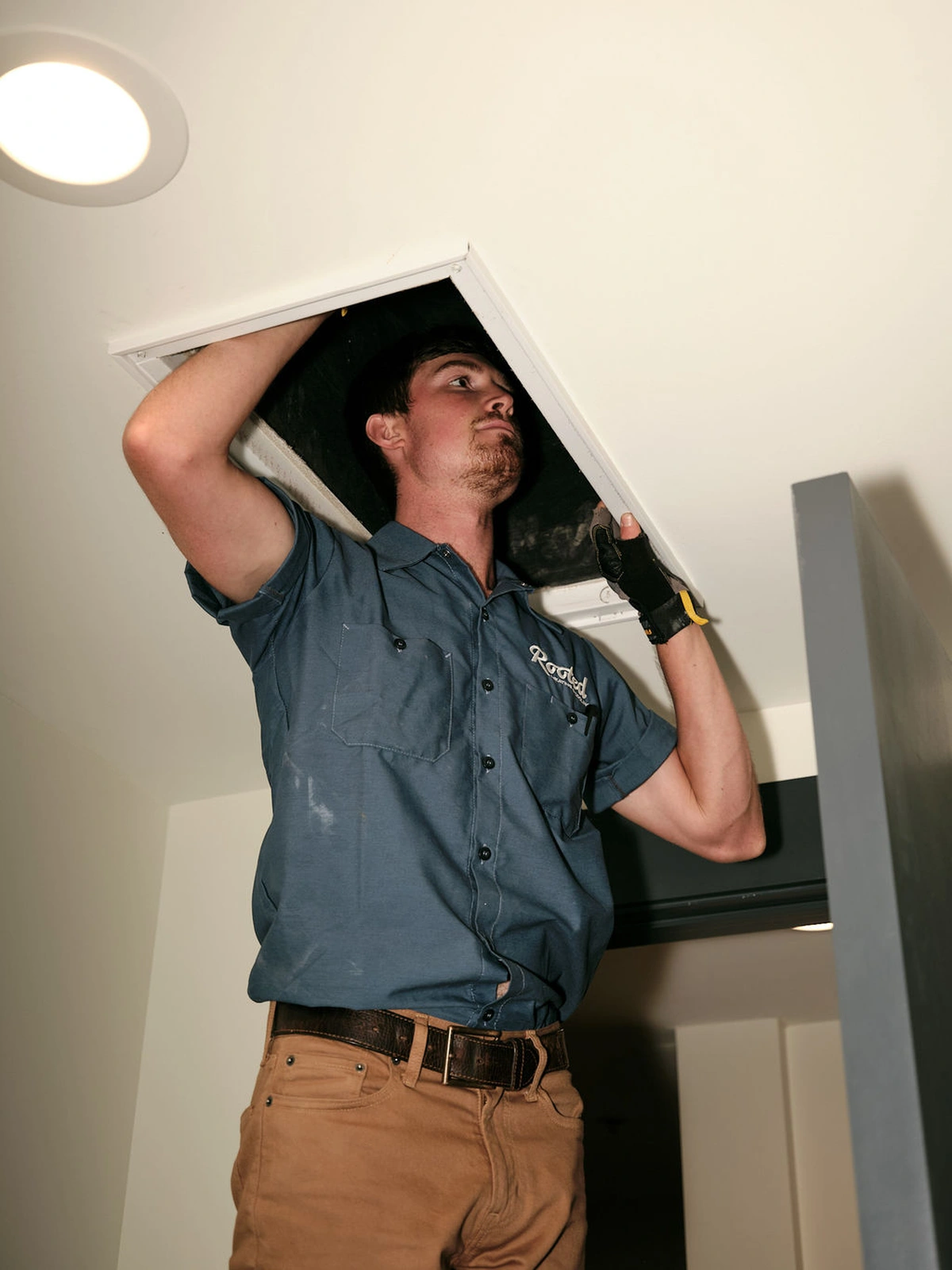
We shape the visit around the failures that genuinely bite in Pearl. On gas equipment, the combustion analysis is the spine of it: we sample flue temperature, draft, and combustion products with an analyzer and put hands and eyes on the heat exchanger, so we can state that the furnace burns clean and vents true — not just that it lights. That reads hardest on the older Old Brandon Road ranches, where a generation of service is where an exchanger gives way. Where there's no combustion — a heat pump — the focus moves to the mechanics of winter: we run the defrost and the reversing valve, confirm the heating-mode charge, and verify the auxiliary heat waits its turn. On dual-fuel systems we set the changeover so gas and heat pump swap at the right outdoor temperature instead of fighting over the load.
Then the airflow, because the ducts, blower, and filter that ran all summer are the same ones carrying the heat now. We read static pressure and airflow, uncover whatever the cooling season deposited, and flag any restriction dragging on the equipment. You leave holding the combustion figures, the safety findings, and the airflow numbers in plain terms — and a straight account of what to fix before the cold and what to leave be. An occupied Highway 80 business gets it scheduled around open hours so the air stays safe and the doors stay open; a home gets it ahead of the first snap. Either way it's proof, the same standard we bring to the cooling and install work we run across Pearl.
How We Service Pearl Heating
Each Pearl heating check runs one measured route — combustion and safety on gas equipment, a full controls-and-charge workup on heat pumps, and the airflow read that links summer to winter. You'll hold the numbers and a plain verdict on what's ready for the cold before we ever call the visit done.
Easy Scheduling
Book your Heating System Maintenance consultation online or call us
Professional Arrival
Clean, professional technicians arrive on time with proper equipment
Thorough Assessment
Complete assessment with transparent explanation of findings
Expert Execution
Expert Heating System Maintenance execution with attention to detail
Quality Verification
Final quality check and system performance verification
Frequently Asked Questions
Winters here are short — is a yearly heating check really worth it in Pearl?
Why do older Pearl homes need extra attention on the heating side?
Should a Highway 80 business have its heating serviced differently than a house?
I run a dual-fuel system — what does maintenance actually do for it?
Proof in Place of a Promise
The Analyzer Clears Your Pearl Heat, Not a Flashlight
Rooted Heating & Air is a family-owned team, and on heating work safety isn't a box we tick — it's the entire reason to be at your door before the cold shows up. We'd rather run the combustion analysis, put hands and eyes on the exchanger, and confirm the venting is clean than sign a tag and pull away. When something needs attention, we hand you the reading that proves it; when the system checks out, we say so just as directly.
You'll leave with the combustion figures, the safety findings, and the airflow readings in words that actually land, plus honest guidance on what's worth doing before the season turns. We'd sooner give you proof than ask for your faith — so when we call a Pearl furnace ready for winter, you've already seen the numbers that make it so. That measure-first habit runs through the repair, install, and cooling work we do all over town.
Serving Pearl, MS homes and businesses
Integrity
We do what we say we are going to
Done right, 1st time
Job done right or we'll make it right
High quality work
No shortcuts , just proper fixes
Reasonable Prices
Upfront, honest pricing = win/win
What Heating Maintenance Looks Like Across Pearl
Pearl's brief heating season governs how the equipment ages, and not kindly. Because the winters run mild and short, furnaces and heat pumps work in hard spurts and sit idle the rest of the year — and that long stillness is what lets burner grit, a hung heat-pump defrost, or a borderline exchanger pass unseen until the first cold morning drags them into the open. A pre-winter appointment is the window to intercept them while it's still a scheduled visit, not a Rankin County household waiting on heat that never comes.
The spread of equipment across town rules out any single routine. Gas furnaces — the norm in the older Old Brandon Road ranches and in many occupied Highway 80 suites — carry a combustion and carbon-monoxide exposure that only an analyzer and a hands-on exchanger inspection can clear, the exact hazard the fuel-gas code targets. Heat pumps and dual-fuel systems, common through the newer East Pearl builds toward the Brandon line, instead call for their defrost, reversing valve, heating charge, and changeover point to be verified. We match the check to the equipment rather than running one shallow pass over everything.
A Pearl heating call we see often: an older Old Brandon Road ranch with a gas furnace that's run reliably for years and an owner who's never once thought about combustion. We run the analysis, inspect the exchanger, confirm draft and fuel input, and read the airflow the summer left behind. Most visits end reassuring and fully documented — clean-burning and safe for another season. When they don't, we've caught a venting or exchanger problem before it turned into the kind of thing that arrives without warning, which in a house full of family — or a suite full of customers — earns every minute of the appointment.
Old Brandon Road corridor
Older ranch and cottage homes where established gas furnaces are the rule. The priority is a genuine combustion analysis and exchanger inspection — carbon-monoxide safety — well beyond checking that the burner lights.
Highway 80 corridor
Occupied storefronts and small offices where a gas furnace shares its air with staff and customers all day. The combustion stakes climb here, so the analyzer and exchanger check lead, booked around business hours.
East Pearl
Newer homes toward the Brandon line on heat-pump and dual-fuel equipment, where the check means verifying defrost, heating-mode charge, and the gas-to-heat-pump changeover rather than a combustion test.
Ready for Reliable Comfort? We're Just a Call Away!
Don't let comfort problems linger - your home deserves better, and so do you!